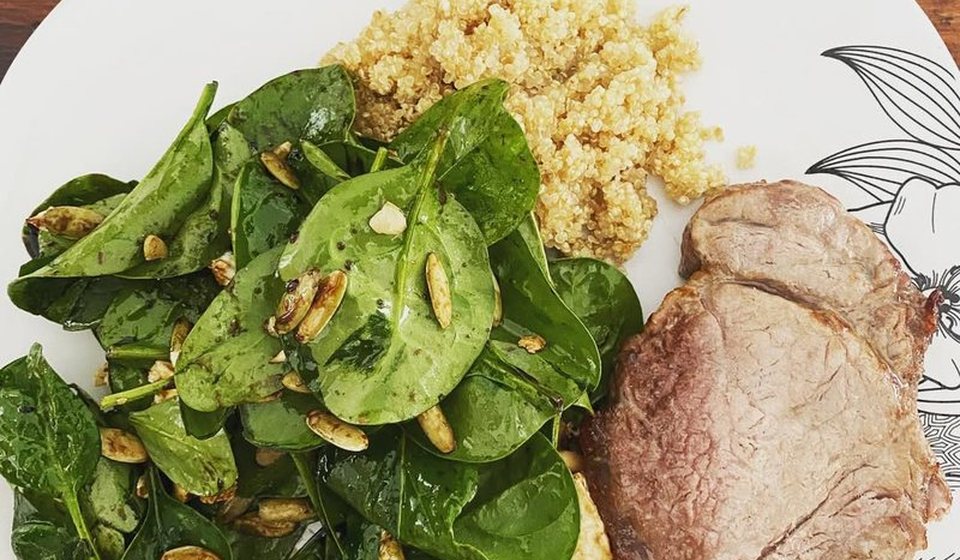
Protein is the building material your body uses for muscles, skin, hormones and the immune system. Yet many of us eat most of it at dinner and very little at breakfast. Spreading it across the day is one of the easiest ways to feel fuller, keep energy steady and stay strong as the years go by.
Why timing matters
Your body cannot store protein for later the way it stores fat. When protein arrives in steady amounts through the day, muscles get a regular supply for repair, and meals feel more satisfying. People who eat a protein-rich breakfast often find they snack less in the afternoon.
Easy ways to add protein
You do not need special shakes or powders. Everyday foods do the job well:
- Eggs, Greek yogurt or cottage cheese at breakfast
- Beans, lentils or chickpeas tossed into soups and salads
- Fish, chicken or tofu as the centre of lunch or dinner
- A handful of nuts or seeds with fruit as a snack
- Milk or a fortified plant drink in oats and smoothies
Build a balanced plate
Picture your plate in parts: half vegetables and fruit, a quarter protein and a quarter whole grains or starchy vegetables, with a little healthy fat. This simple pattern keeps portions sensible and makes sure protein shows up at every meal.
Aim for a palm-sized portion of protein at each meal rather than one very large serving at night.
Plant and animal sources both count
Animal foods provide complete protein, while plant foods bring fibre and helpful plant compounds. Mixing beans with grains, or adding seeds and nuts to meals, gives your body a full range of building blocks. Most people do best with a variety of both.
When to ask for advice
If you have kidney concerns, are pregnant, are recovering from illness or are trying to lose weight, your protein needs may differ. Our dietitians can work out the right balance for you and suggest meals that fit your tastes and routine.