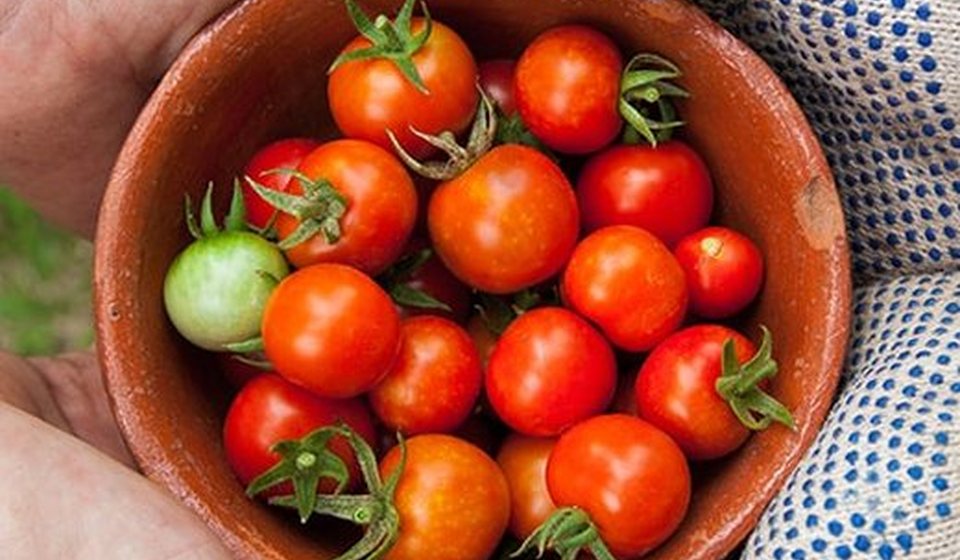
There is a reason a summer tomato tastes so different from one bought in midwinter. Produce picked in its natural season is usually riper, fresher and more flavourful. Eating with the seasons is a simple, enjoyable way to fill your plate with variety and support your health.
Why in-season produce shines
Fruits and vegetables that ripen fully on the plant develop richer flavour and often keep more of their vitamins. Because they travel shorter distances, they reach your kitchen sooner after harvest. Seasonal produce is also often more affordable when it is plentiful.
What to look for through the year
Every region differs, but here is a general guide:
- Spring: asparagus, peas, spinach, radishes and strawberries
- Summer: tomatoes, berries, courgettes, sweetcorn and peaches
- Autumn: apples, pears, pumpkins, squash and root vegetables
- Winter: citrus fruits, cabbage, kale, leeks and sweet potatoes
Variety supports your health
Changing what you eat as the seasons turn naturally brings a wider mix of fibre, vitamins, minerals and plant compounds. This variety feeds a healthy gut and helps protect your heart, brain and immune system.
Let the market guide your menu. Buy what looks freshest this week, then plan your meals around it.
Making seasonal eating simple
Visit a local farmers market, join a produce box scheme or simply notice what is on offer at the front of your grocery store. Frozen fruit and vegetables are picked at their peak too, so they are a great choice when fresh options are limited.
Bring it to your plate
Roast autumn vegetables with herbs, toss summer berries into breakfast or make a warming winter soup from leeks and potatoes. If you would like a seasonal meal plan built around your health goals, our nutrition team can help.